5 Ways to Measure Body Fat Without a Scale
If you have been trying to measure body fat without a scale, you already know the frustration: the number on a bathroom scale rarely tells the full story. You can lose fat and gain muscle at the same time, and the scale will barely move — leaving you thinking your effort isn't working, when it actually is.
This guide walks you through five reliable ways to track your body fat percentage, using tools and methods you can start using today, whether you're in a gym or your living room.
Why the Scale Isn't Enough
A bathroom scale only measures total body weight. It cannot tell the difference between fat, muscle, water, or even a big meal sitting in your stomach.
Two people can weigh exactly the same and look completely different, because body composition — not body weight — determines how your body actually looks and functions. That's why fitness coaches and physical therapists rarely rely on weight alone to track progress.
1. Tape Measurements (The Most Accessible Method)
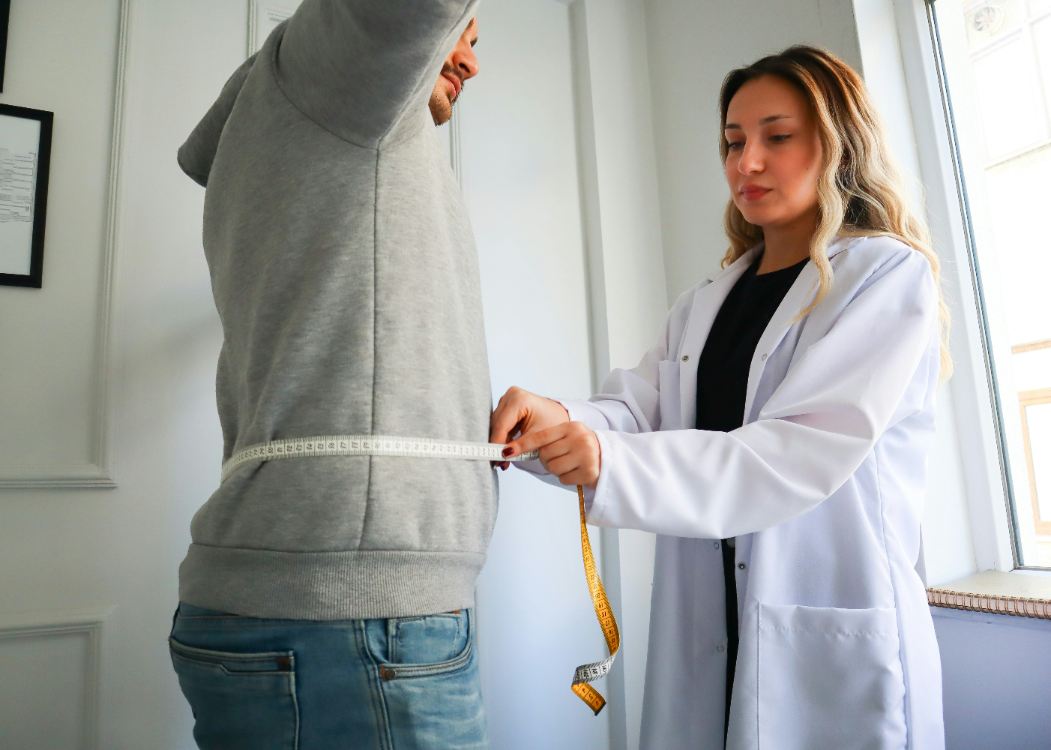
Using a simple tape measure is one of the easiest ways to estimate your fat percentage at home, and it costs almost nothing.
How it works:
- Measure your waist at the narrowest point (usually just above the belly button)
- Measure your hips at the widest point
- Measure your neck just below the larynx
Plug these numbers into a U.S. Navy body fat formula, which is a well-established method used by the U.S. military for decades. Several free calculators online will do the math for you instantly.
Pro tip: Measure at the same time of day, ideally in the morning before eating, and always use the same tape tension. Inconsistent pressure on the tape is the number one reason people get confusing results week to week.
2. Skinfold Calipers
Skinfold calipers pinch a fold of skin and underlying fat at specific points on your body — typically the triceps, abdomen, and thigh for men, or triceps, suprailiac, and thigh for women.
Why it's effective:
- It's one of the most researched and validated field methods available
- A quality caliper costs under $15
- It gives you a direct fat percentage estimate, not just a ratio
Pro tip: Accuracy depends heavily on technique. Have the same person take your measurements each time, at the same sites, because even a slight shift in location can throw off your results by several percentage points.
3. Progress Photos
Photos won't give you a precise percentage, but they are one of the most honest ways to track body fat changes over time.
Take photos every two to four weeks:
- Same lighting
- Same time of day
- Same poses (front, side, back)
- Minimal, consistent clothing
Muscle definition, vascularity, and how clothes fit are all visual signs of changing body composition. Many people notice visible changes in photos weeks before the scale reflects anything.
4. The Mirror and Fit Test
This method sounds informal, but it's genuinely useful for day-to-day tracking. Pay attention to:
- How your clothes fit around the waist and hips
- Visible muscle separation or definition
- The appearance of your midsection under normal indoor lighting
Combine It With a Journal
Keep a short weekly note describing what you observe. Over a month or two, these small entries build a clear pattern that's far more useful than a single scale reading.
5. Bioelectrical Impedance Handheld Devices
Handheld or standalone bioelectrical impedance analysis (BIA) devices send a tiny, safe electrical current through your body to estimate fat percentage, based on how the current moves through fat versus lean tissue.
Things to keep in mind:
- Hydration levels can shift your results by a few percentage points
- Take readings at the same time of day, ideally before meals or intense exercise
- Use it for tracking trends over weeks, not as an exact daily number
The Unique Value Section: What Most Guides Leave Out
Most articles stop at listing methods. Here's what actually matters for getting useful, consistent results:
- Track trends, not single numbers. Every home method has a margin of error. What matters is whether your numbers are trending down over four to six weeks, not whether one reading is perfectly precise.
- Combine two methods. Pairing tape measurements with progress photos gives you both a number and a visual reference, which catches errors either method might miss on its own.
- Control your variables religiously. Time of day, hydration, and even whether you've exercised recently can shift results more than actual fat loss does in a single week. Standardizing your conditions matters more than the tool you choose.
- Understand normal fluctuation. A 1–2% swing in a single week is usually measurement noise, not a real change in body composition. Don't panic or celebrate based on one reading.
Final Thoughts
You don't need an expensive scale or a lab visit to track real progress. Tape measurements, skinfold calipers, progress photos, the mirror test, and BIA devices each give you a practical way to measure body fat without a scale, and using two together gives you even more confidence in your results.
Expert tip: Pick one primary method and one backup method, then stick with both for at least six weeks before judging your progress. Consistency in how you measure matters more than which tool you choose.