BMI vs. Body Fat %: Which One Matters More?
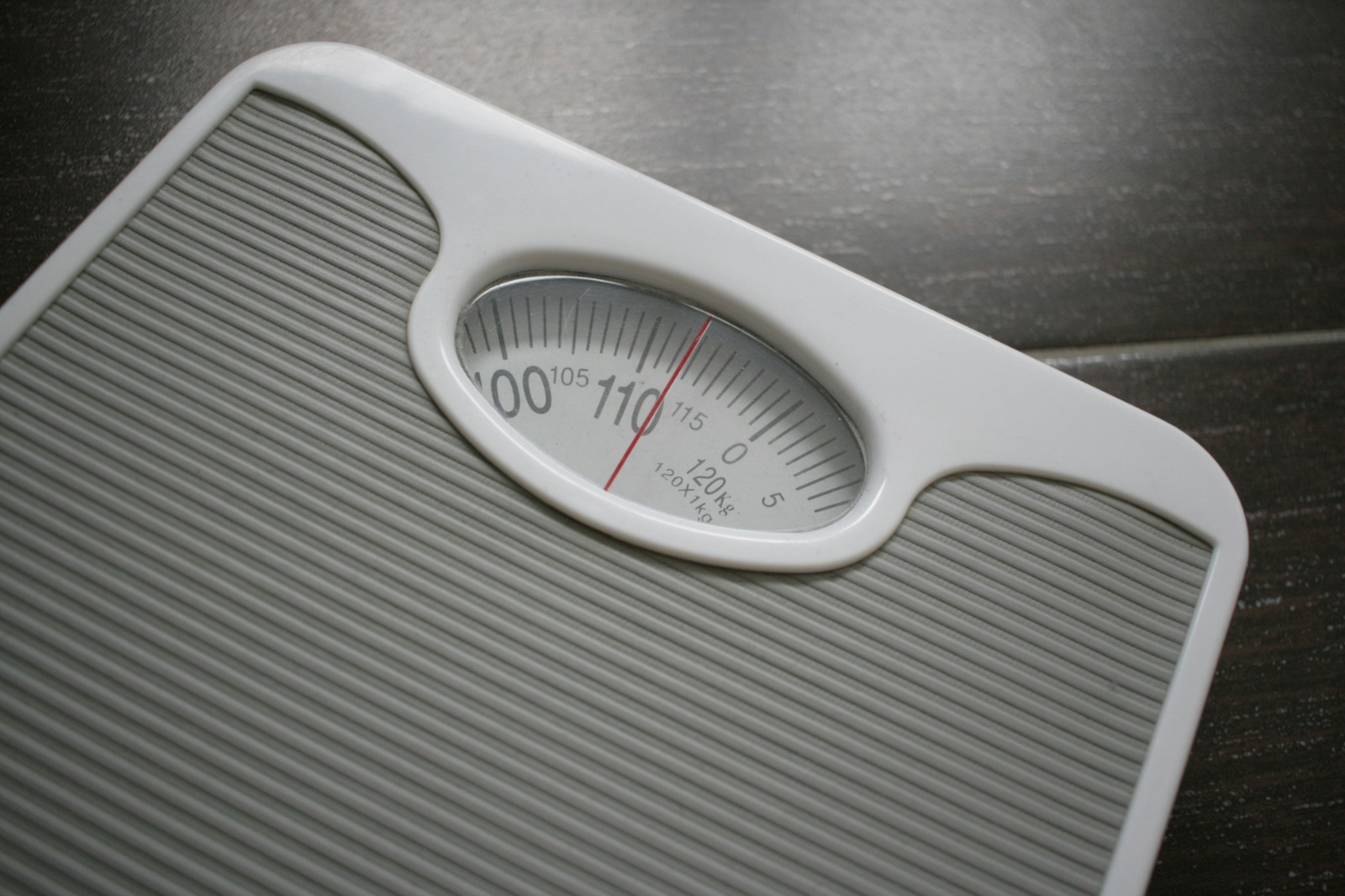
You step on a scale, get a BMI reading, and feel confident about your health — until a body fat scan tells a completely different story. This mismatch is exactly why the BMI vs body fat percentage debate keeps coming up, and why picking the right metric actually matters for how you track your health.
What Each Number Actually Measures
BMI: A Quick Population Screen
BMI (Body Mass Index) uses only your height and weight to estimate whether your weight falls in a healthy range for your size. It was designed in the 1800s to study population trends, not individual bodies.
Body Fat Percentage: What Your Body Is Made Of
Body fat percentage tells you what portion of your total weight is fat versus muscle, bone, organs, and water. It's a direct measure of body composition — something BMI can't see at all.
BMI vs Body Fat Percentage: Where They Disagree
This is where the BMI vs body fat percentage comparison gets interesting. The two numbers often tell different stories for the same person:
- The muscular athlete: A bodybuilder can have a BMI of 27 ("overweight") while carrying only 12% body fat — well within athletic range.
- The "skinny fat" case: Someone with a BMI of 22 ("healthy") can still carry 30%+ body fat with very little muscle, a pattern linked to higher metabolic risk despite a "normal" BMI.
- The older adult: Muscle naturally declines with age, so two 65-year-olds with identical BMIs can have very different body fat levels and health risks.
Pro tip: If your BMI and how you look in the mirror don't match, trust body composition over BMI — it's usually the more accurate story.
How to Measure Body Fat Percentage
Since the BMI vs body fat percentage question often comes down to accuracy, here's how to actually get a body fat reading. Unlike BMI, body fat percentage takes more than a calculator:
- Skinfold calipers — inexpensive and reasonably accurate when done by a trained person.
- Bioelectrical impedance scales — convenient but sensitive to hydration levels, so results can swing 3–5% in a single day.
- DEXA scans — the gold standard, offering precise fat, muscle, and bone breakdowns, usually available at clinics or sports labs.
- Waist-to-height ratio — a simple, free proxy: keep your waist under half your height for a reasonable estimate of healthy fat levels.
Healthy Ranges for Each
| Category | Men (Body Fat %) | Women (Body Fat %) |
|---|---|---|
| Essential fat | 2–5% | 10–13% |
| Athletic | 6–13% | 14–20% |
| Fitness | 14–17% | 21–24% |
| Average | 18–24% | 25–31% |
| Above average | 25%+ | 32%+ |
Compare this with standard BMI categories (18.5–24.9 as "healthy"), and you'll notice body fat ranges are far more forgiving of natural differences between people.
Which One Should You Trust More?
Neither number wins outright — they answer different questions:
- Use BMI for a fast, free, first-pass screening, especially at the population level or during routine checkups.
- Use body fat percentage when you want an accurate picture of your own fitness, muscle gain, or fat loss progress over time.
- Use both together whenever possible — a rising BMI with a falling body fat percentage (common when starting strength training) is actually a good sign, not a warning.
Unique Insights Most Articles Skip
- Where fat sits matters as much as how much you have. Visceral fat (around organs) carries far more health risk than subcutaneous fat (under the skin), even at the same total body fat percentage.
- Home scales aren't wrong — they're just noisy. Bioelectrical impedance readings shift with hydration, recent meals, and even the time of day, so track weekly averages instead of single readings.
- BMI actually improves as a predictor when combined with waist circumference. Studies show this pairing predicts health risk better than either measurement used alone.
- Body recomposition can hide on the scale entirely. You can lose fat and gain muscle at the same weight — meaning BMI stays flat while body fat percentage clearly improves.
Simple Steps to Track Both
- Check your BMI once as a baseline, then re-check every few months rather than daily.
- Get a body fat reading (calipers, scale, or DEXA) alongside your BMI for a fuller picture.
- Track your waist circumference monthly — it's a strong, low-cost complement to both metrics.
- Watch trends over 8–12 weeks rather than reacting to any single number.
- Prioritize strength training and adequate protein — both directly improve body composition, even when BMI barely moves.
Final Takeaway
In the BMI vs body fat percentage comparison, BMI wins on speed and simplicity, while body fat percentage wins on accuracy for individuals. The smartest approach uses BMI as a quick check and body fat percentage — alongside waist measurement — as the real indicator of progress.
Expert Tip: Don't let a single BMI number override how you actually look, feel, and perform. If your strength, energy, and waist measurement are improving, you're on the right track — regardless of what the BMI chart says.
This article is for general information only and doesn't replace personalized medical advice. Speak with a doctor or registered dietitian before making major changes to your diet or exercise routine.